

Mental Health Archives - KFF Health News KFF Health News produces in-depth journalism on health issues and is a core operating program of KFF.
- Could Your Kid Benefit From Counseling? Experts Offer 3 Questions To Help You Decide
 by Blake Farmer, Nashville Public Radio on June 9, 2026 at 9:00 am
Anxious kids can benefit from counseling, but therapy demands a commitment of money and time. Therapists recommend using three criteria to help determine when challenging behavior rises to the level of needing professional help.
- Trivia Nights, Valentine’s Cards: Overlooked Social Connections Can Prevent Suicide
 by Aneri Pattani on June 9, 2026 at 9:00 am
The research is clear: Among the various complex issues that contribute to suicide, loneliness is a big one. Now, there’s a growing push to address loneliness not just through personal choices but also through public policy.
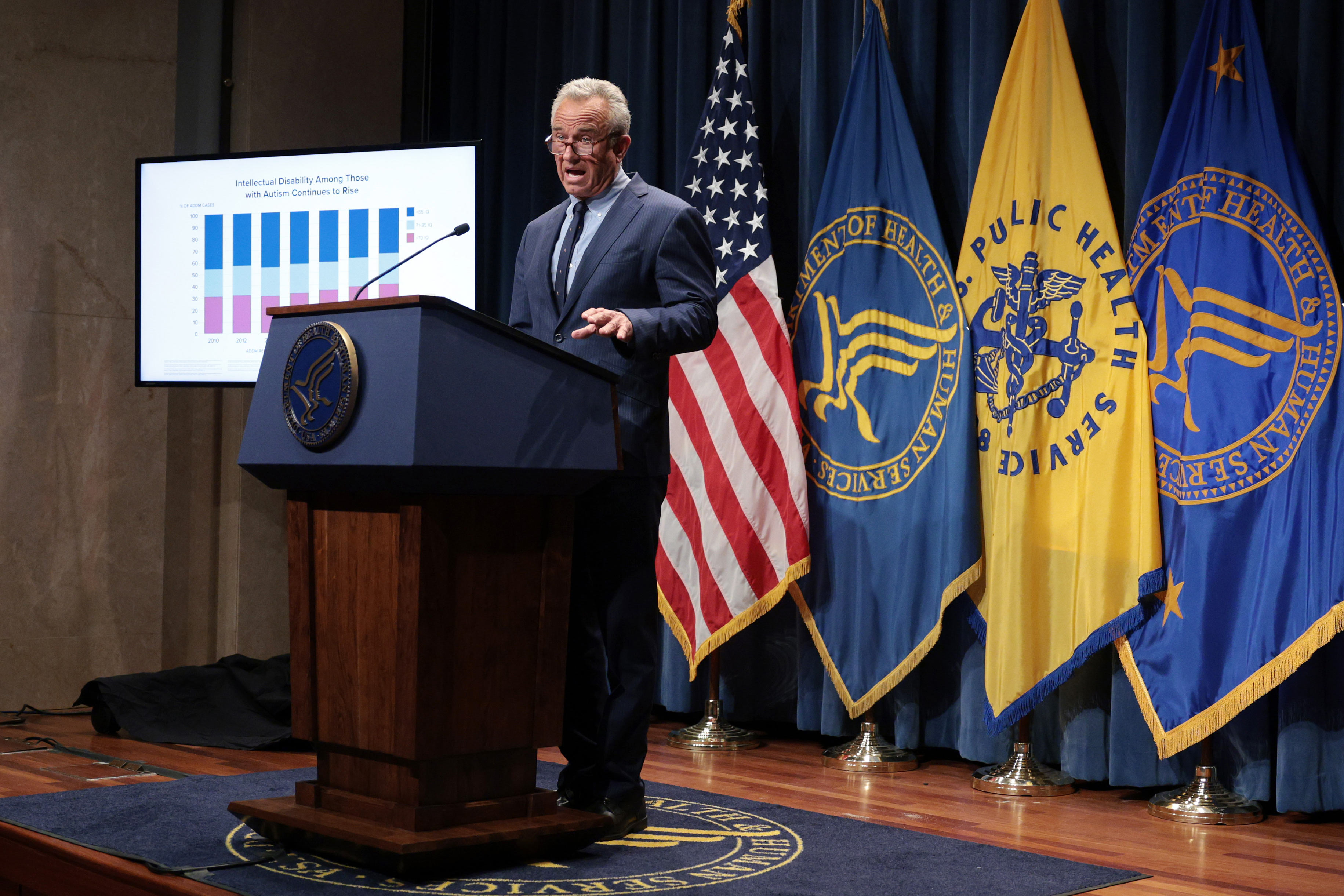
- RFK Jr. Seeks To Peek at Americans’ Medical Records for Clues on Autism and Vaccines
 by Amanda Seitz on June 4, 2026 at 9:00 am
To collect and scrutinize millions of Americans’ health data, U.S. health secretary Robert F. Kennedy Jr. aims to work with state organizations that help health systems share medical records. In Nebraska, millions in federal dollars has flowed into one nonprofit cooperating with Kennedy’s project.
- Readers Address Drugged Driving, Suicide Prevention, Worker Shortages
 on May 27, 2026 at 9:00 am
KFF Health News gives readers a chance to comment on a recent batch of stories.
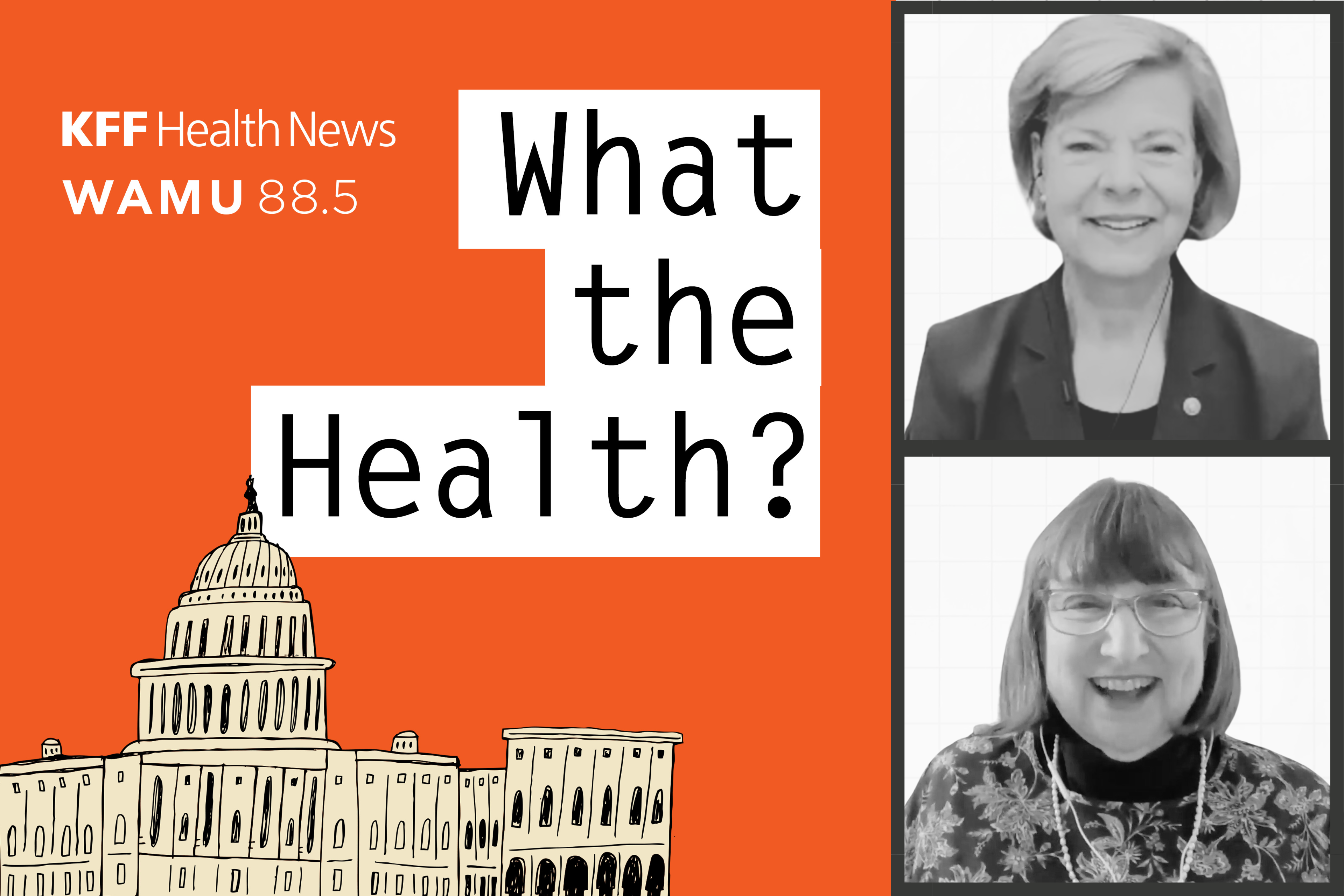
- Watch: The Tug-of-War Over Taxpayer Dollars
 on May 20, 2026 at 9:00 am
Podcast host Julie Rovner chats with Sen. Tammy Baldwin, a top Democrat on health issues, about President Donald Trump’s stewardship of federal spending and the effectiveness of the 988 Suicide & Crisis Lifeline.
- Kids Keep Getting Stuck in Hospitals, Even After Being Cleared for Discharge
 by Cara Anthony on May 18, 2026 at 9:00 am
Some children are healthy enough to leave the hospital after a medical stay but have no place to go. Across the country, the practice of allowing children to remain hospitalized “beyond medical necessity” has become a costly problem, and states have struggled to address the issue.
- Low Wages, Empty Plates, Heavy Toll: Rethinking Suicide Prevention
 by Aneri Pattani on May 12, 2026 at 9:00 am
Decades of research indicate that interventions that bring down people’s cost of living, such as ensuring they have access to stable housing and food, are linked to lower suicide rates.
- Trump’s Drug Strategy Aims To Bolster Addiction Services — Despite Gutting of Government Support
 by Aneri Pattani on May 6, 2026 at 9:00 am
The White House’s strategy for tackling the drug and addiction crisis, released this week, sets lofty public health goals but highlights deep inconsistencies with the administration’s own funding cuts and other policies.
- She Survived 2 Shootings. Research Helps Explain Why Her Pain Persists Years Later.
 by Alma Beauvais, The Trace on May 4, 2026 at 9:00 am
Witnessing a shooting, hearing gunfire, losing someone, or living in a violent area can leave people with chronic pain and stress long afterward.
- Prevention Efforts Increasingly See Suicide Through a Broader Lens
 by Aneri Pattani on May 1, 2026 at 6:30 pm
Get our weekly newsletter, The Week in Brief, featuring a roundup of our original coverage, Fridays at 2 p.m. ET.